
Products: Stile classico
 Seats Caracas
 Head of the table Caracas
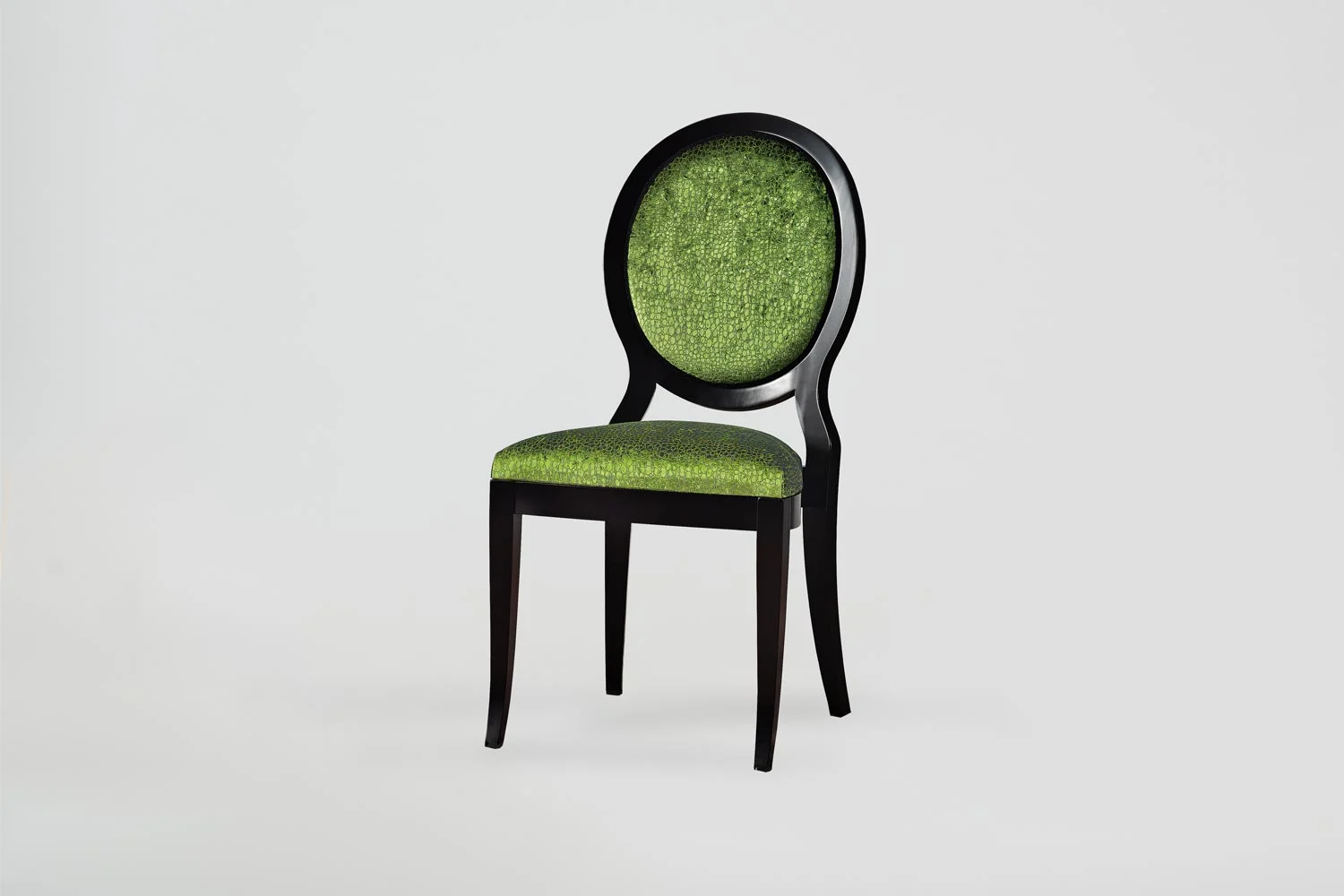 Seats Duca
 Head of the table Duca
 Seats Leonardo
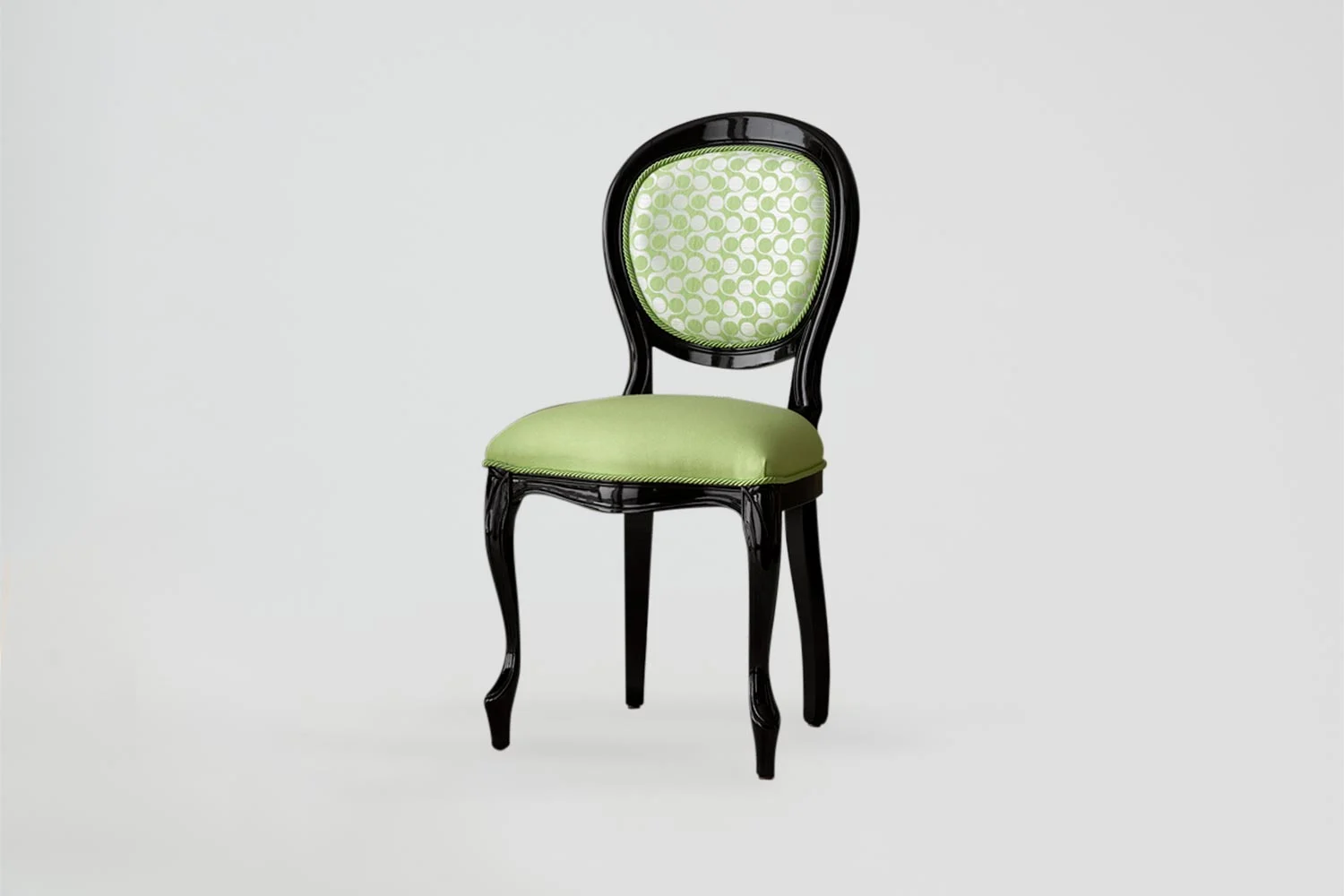 Seats Lorena
 Head of the table Lorena
 Armchairs Orlando
 Armchairs Tampa
 Seats Versailles
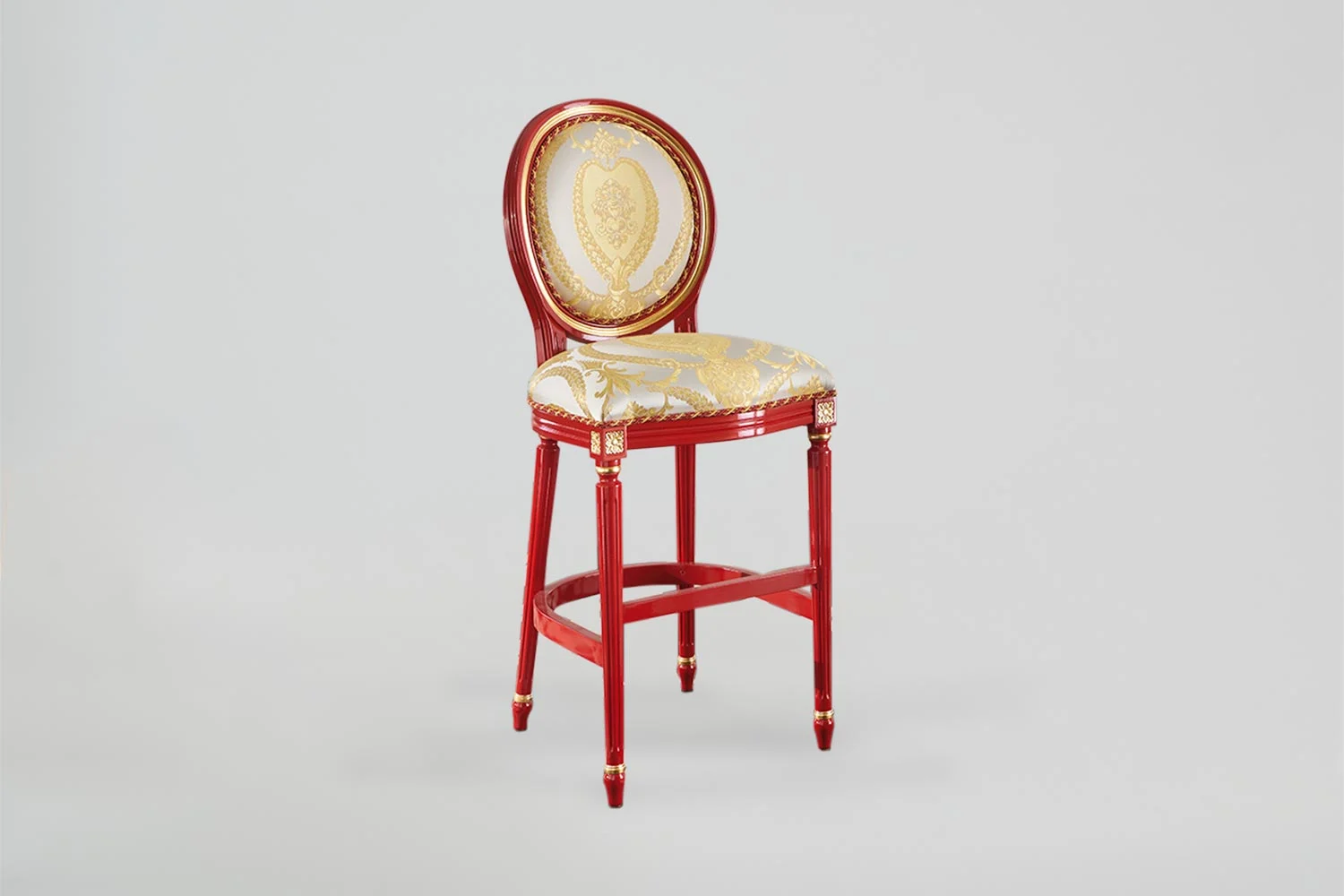 Stools Versailles
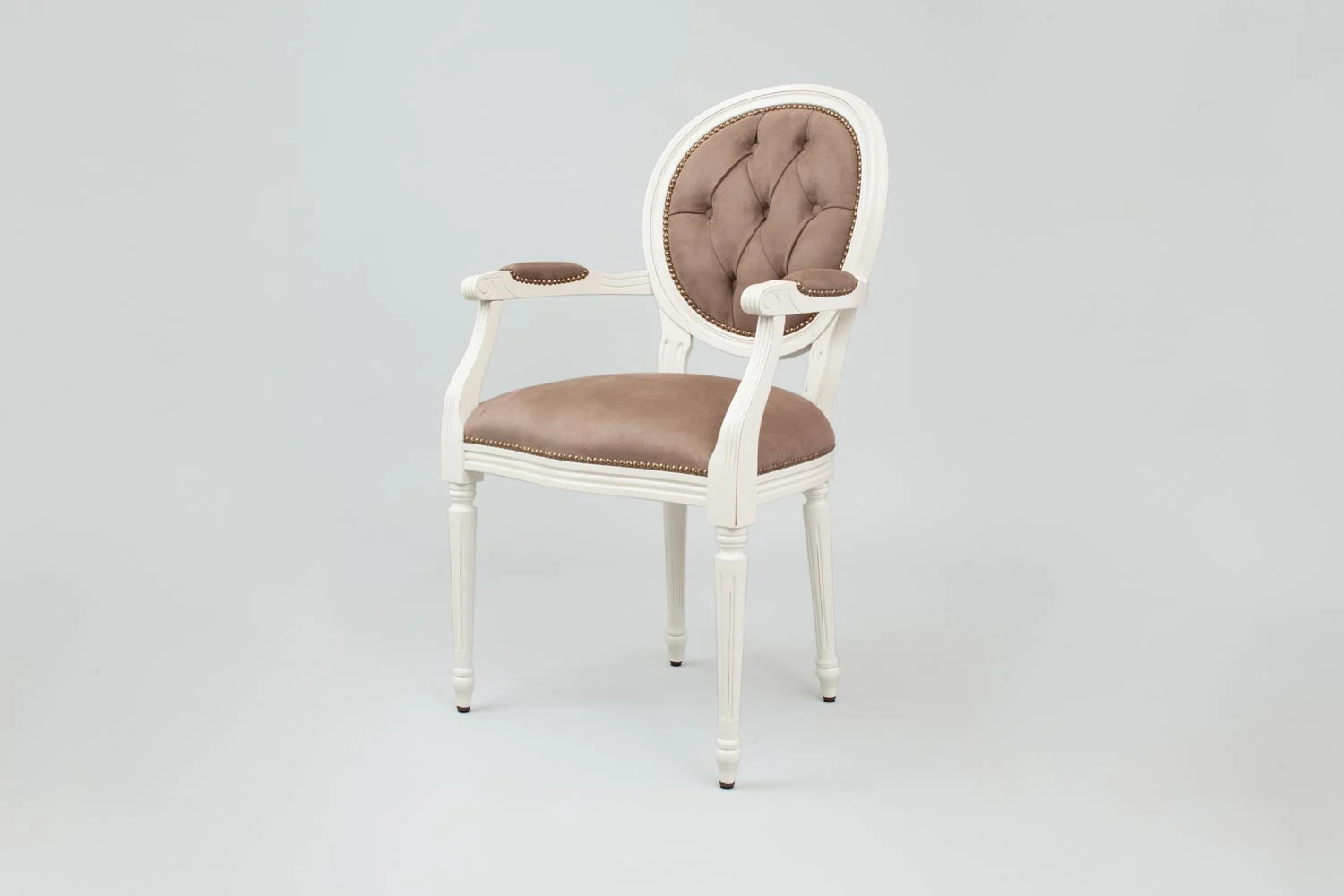 Head of the table Versailles
No products match the selected filters.
Hotel furnishings: designing a coherent experience in every space
More information
Hotel decor is born from the relationship between different spaces, each with its own function but part of the same experience. The lobby welcomes guests, the lounge invites them to linger, the restaurant fosters conviviality, and the rooms create a more private atmosphere. Terraces, outdoor seating, and common areas also contribute to defining the hotel's identity.
In a hotel project, therefore, each piece of furniture must find its place within a larger system. Chairs, armchairs, sofas, stools, benches, and coffee tables are not simply accessories to be distributed throughout the spaces: they can become tools for organizing different functions and creating continuity between even very different spaces.
Hotel furnishings and structure identity
A hotel communicates its identity through many details. The architecture establishes the overall character, while the furnishings contribute to making it concrete and recognizable.
A contemporary property might opt for simple shapes and light compositions; a boutique hotel, on the other hand, might create more distinctive spaces, where fabrics, colors, and volumes play a key role. Even classic chairs can find a place in these projects, especially when the goal is to create a more elegant, traditional atmosphere, or one that reflects a specific interpretation of hospitality.
The choice of seating therefore contributes to defining the atmosphere and allows the hotel's identity to be interpreted through different aesthetic languages.
The hall as the first point of contact
The lobby is often the first space a guest encounters. It's not just a passageway, but can become a true place of lingering, meeting, and waiting.
Sofas, armchairs, and coffee tables allow you to create small configurations within the space, creating more intimate areas without interrupting the overall perception of the room.
In hotel furnishings, the lobby can therefore be designed as a structured space, in which different seating options suggest different uses. An armchair can define a more private corner, a sofa can accommodate groups, while a coffee table completes a small lounge area.
In a more traditional structure, even a composition with classic chairs, combined with matching tables and other accessories, can help create a recognizable atmosphere that is consistent with the architecture.
Lounge and common areas
Hotel common areas are increasingly being used beyond their traditional functions. A lounge can be a waiting area, a work area, a space for an informal meeting, or simply a place to relax during the day.
This variety of uses requires furniture capable of adapting to different situations. Poufs and movable seats can be repositioned, while sofas and armchairs can define more structured areas.
An effective hotel interior design project shouldn't dictate a single way of using the space, but rather offer configurations that can adapt to different needs. Seating options can also vary from one space to another, ranging from contemporary solutions to classic chairs or more decorative models, depending on the character of the facility.
Seats and tables: building micro-environments
Within large shared spaces, furnishings can be used to create a succession of small spaces. Walls or physical separations aren't always necessary: a composition of armchairs and coffee tables can already suggest a dedicated conversation area.
A sofa can become the centerpiece of a lounge, while a series of lighter chairs can complement a passageway. Bar stools can also help define spaces, especially with counters, coffee areas, or informal dining areas.
The same logic can be applied to classic chairs, used around tables in restaurant areas, event rooms, or in common areas where you want to introduce a more traditional component.
This organization into micro-environments makes the hotel more flexible and allows the same space to be used for different activities.
Hotel furnishings including restaurants, bars and lounges
Within a hospitality facility, the areas dedicated to food and beverages often have different characteristics from the lobby or rooms, but they are still part of the same identity.
Chairs and armchairs can complement restaurant tables; stools and high chairs can define the bar counter; sofas and armchairs can create a more informal area for aperitifs.
In a classic or elegant hotel restaurant, classic chairs can help define the atmosphere of the room, especially when they interact with tables, lighting, wood paneling, floors, or other architectural elements.
Hotel furnishings must connect these different functions without erasing their unique characteristics. Shared shapes, materials, or details can create a common thread, while different configurations allow each space to maintain its own personality.
More intimate rooms and spaces
Designing a bedroom requires a different approach than common areas. Here, the furnishings contribute above all to creating a sense of belonging and tranquility.
An armchair, a small seat, or a coffee table can create a corner dedicated to reading or relaxing, completing the composition without taking up too much space.
Here too, hotel furnishings can incorporate some elements found in common areas, reinterpreting them on a more domestic scale. The result is a discreet sense of continuity, capable of accompanying guests throughout their stay.
Materials and coatings as a common thread
Materials, fabrics, and colors can help connect different spaces. It's not necessary to use the same coverings everywhere: you can work with similar shades, complementary textures, or recurring details.
An armchair in the lobby and a chair in the restaurant may have different shapes but share a construction detail or color scheme. A contemporary chair can coexist with classic chairs within the same structure when the design seeks a dialogue between different languages.
This attention to finishes allows for the creation of hotel furnishings that are recognizable through the relationships between the elements, rather than through their uniformity.
Outdoor and hospitality
The hotel experience can continue outdoors, through terraces, gardens, pools, and outdoor areas. These spaces require specific solutions, but can be designed seamlessly with the interiors.
Sunbeds, outdoor seating, tables, and sofas can define areas dedicated to relaxation, socializing, or dining. The choice of furnishings also allows you to give structure to open spaces, creating true rooms without walls.
For this reason, hotel furnishings today encompass an increasingly broader dimension, in which indoor and outdoor spaces participate in the same project.
Hotel furniture for contract projects
In the hotel industry, furniture design must address complex environments and diverse needs. Product selection must take into account the layout of the spaces, the different ways in which they are used, and the need to maintain a clear visual identity.
BS Chairs interprets the contract world through a range of seats and accessories that can interact with different areas of the structure: halls, lounges, restaurants, bars, bedrooms and outdoor spaces.
Contemporary and classic chairs, armchairs, sofas, benches, stools, and coffee tables can be combined according to the project's needs, creating continuity between different areas without sacrificing the specificity of each.
BS Chairs Hotel Furniture
Designing hotel furnishings means shaping an experience that begins at the entrance and continues throughout the hotel. Each seat can contribute to a different moment: waiting in the lobby, a conversation in the lounge, dinner at the restaurant, a break at the bar, or a moment of relaxation outdoors.
BS Chairs develops solutions for these diverse contexts, with an approach focused on the relationship between furniture, architecture, and the use of space. From contemporary lines to classic chairs, each type can contribute to creating a space with its own unique identity.
The result is not simply a collection of elements distributed throughout a building, but a system of spaces connected by a common language. A way to make the hotel recognizable, welcoming, and capable of accompanying guests throughout their stay.