
Bar stools
Stools and high chairs for bars, bistros, and hotel and restaurant kitchens: stability, comfort, and design. Available with or without backrests, solid wood, and custom upholstery made in Italy.
Prodotti: Sgabelli
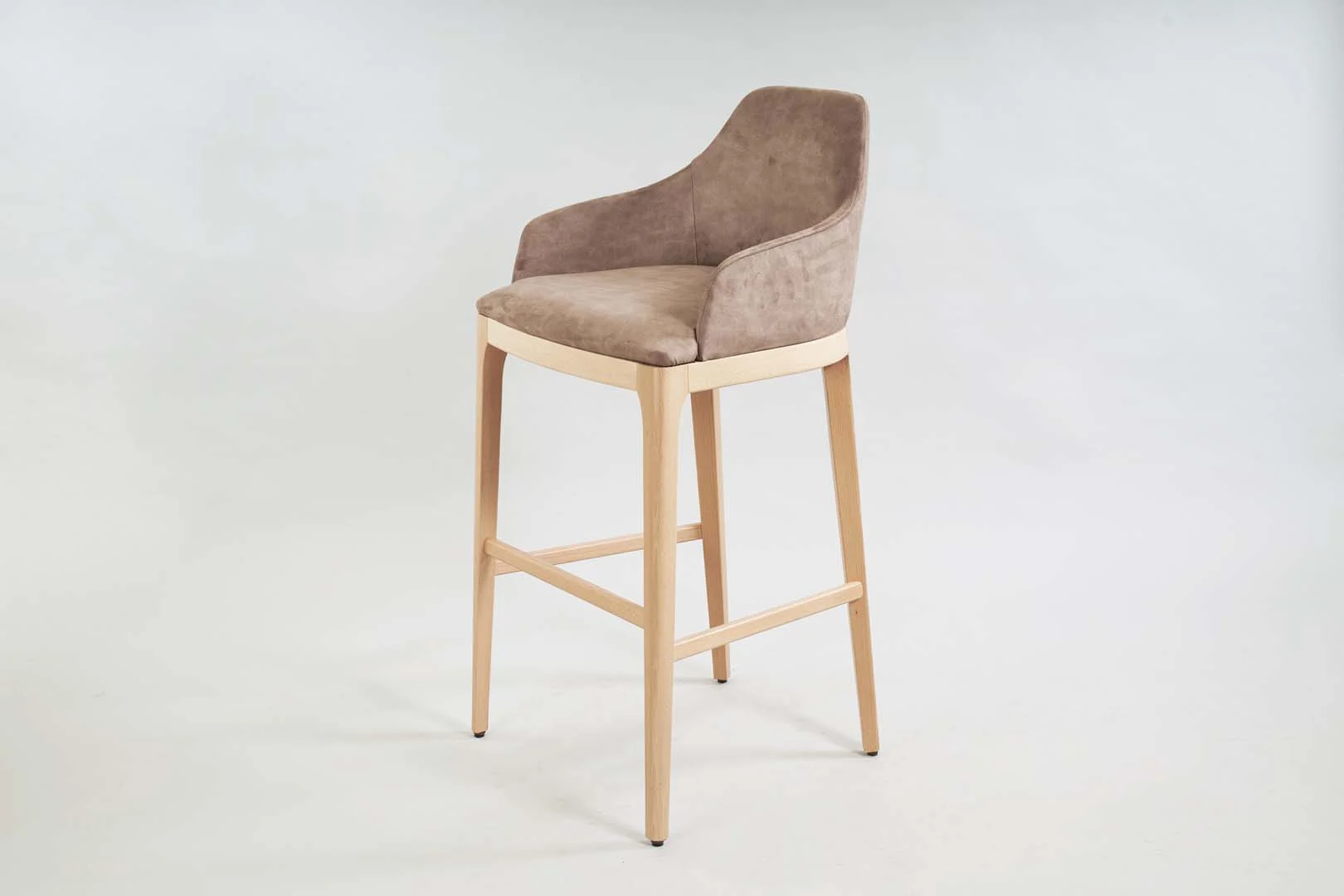 Stools Buffalo
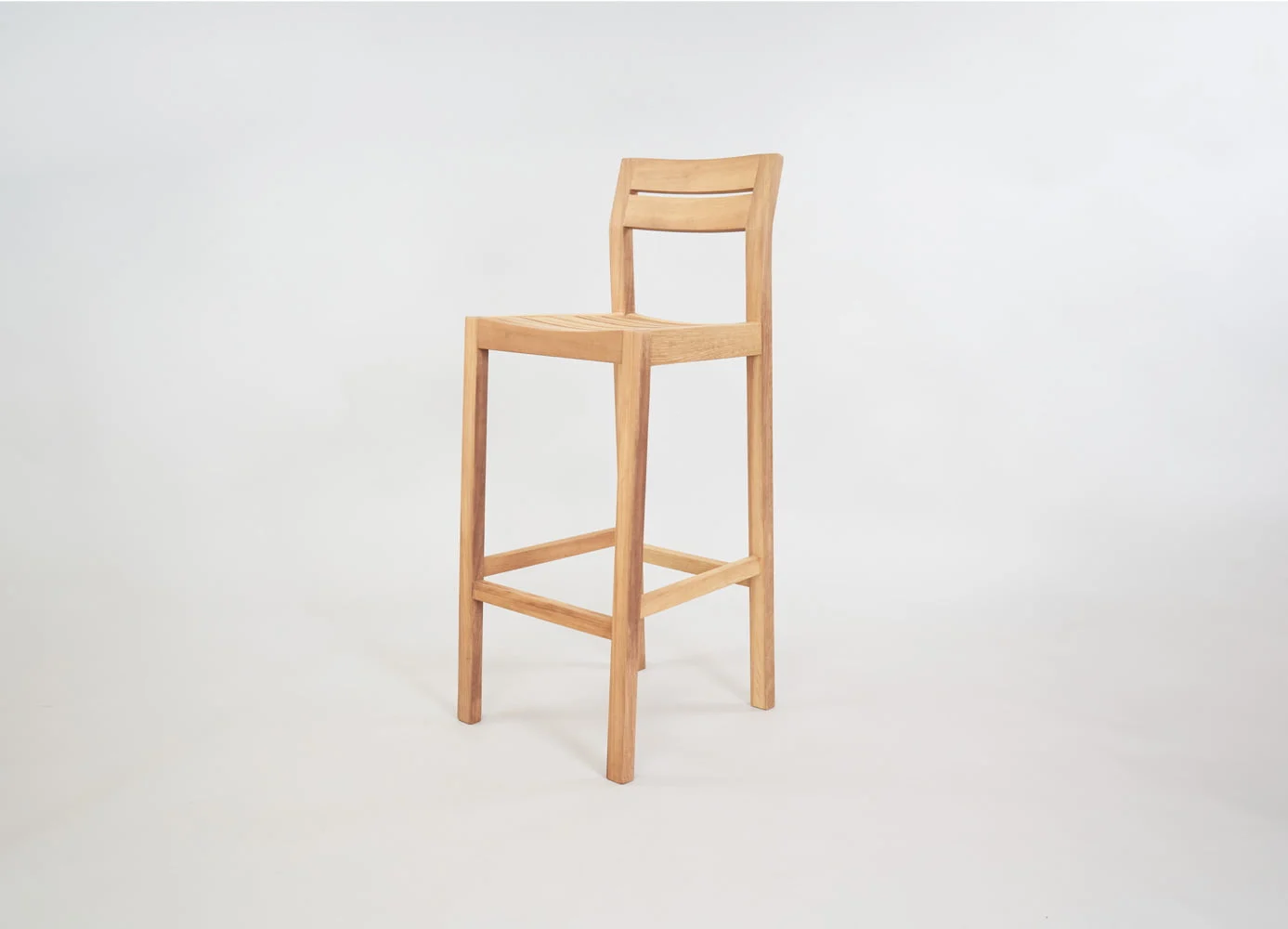 Stools Cancun
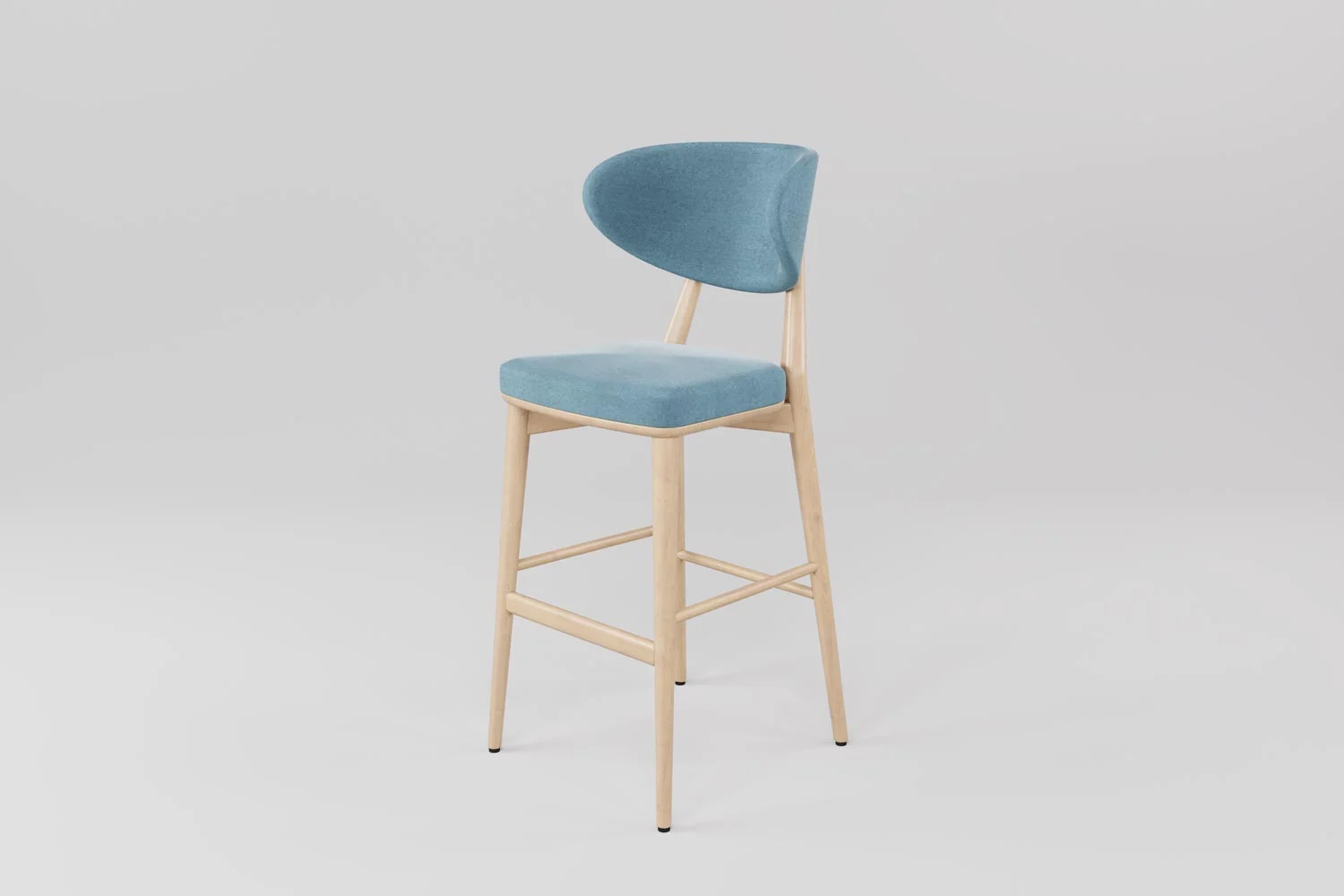 Stools Clio
 Stools Clio
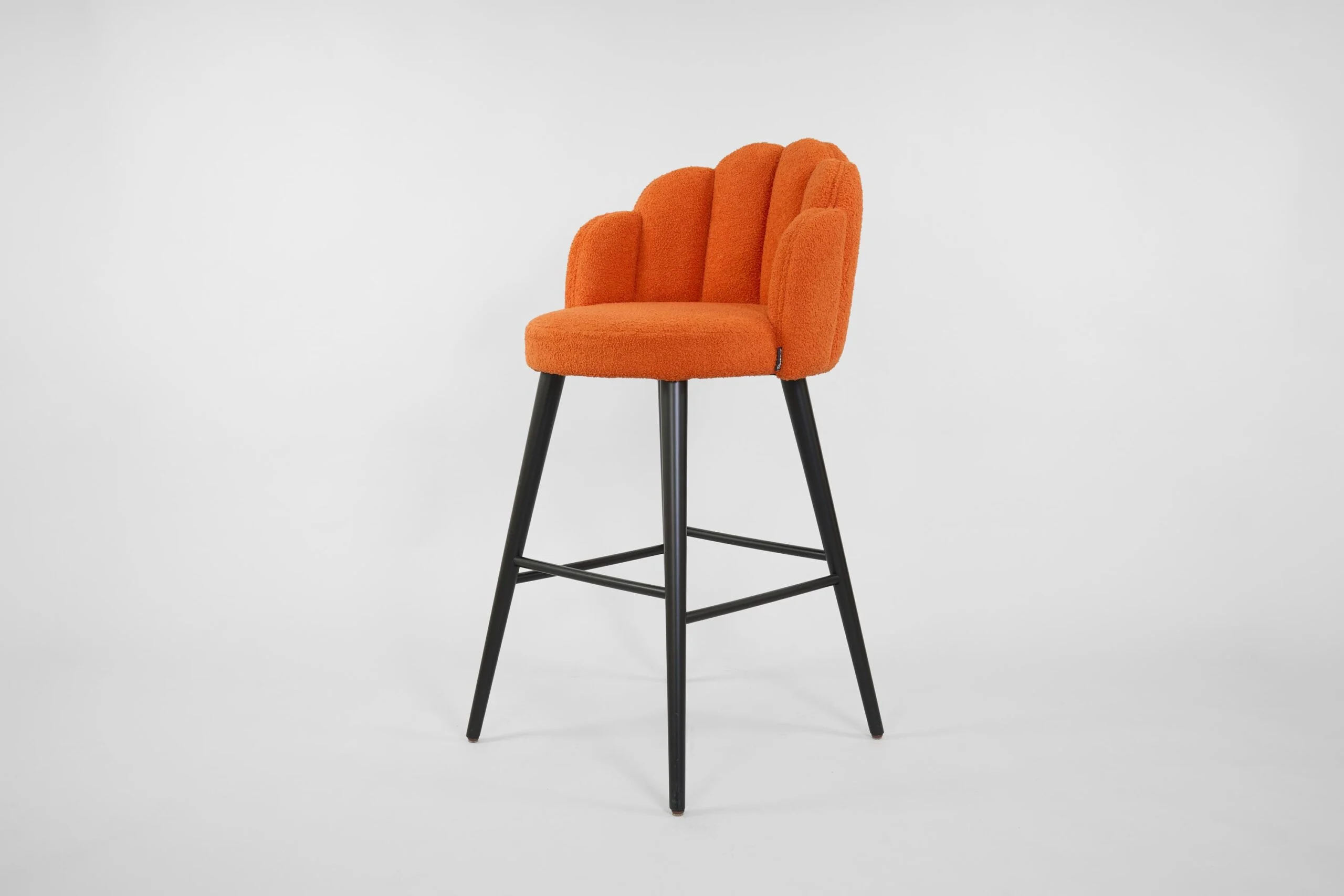 Stools Cloud
 Stools Lyon
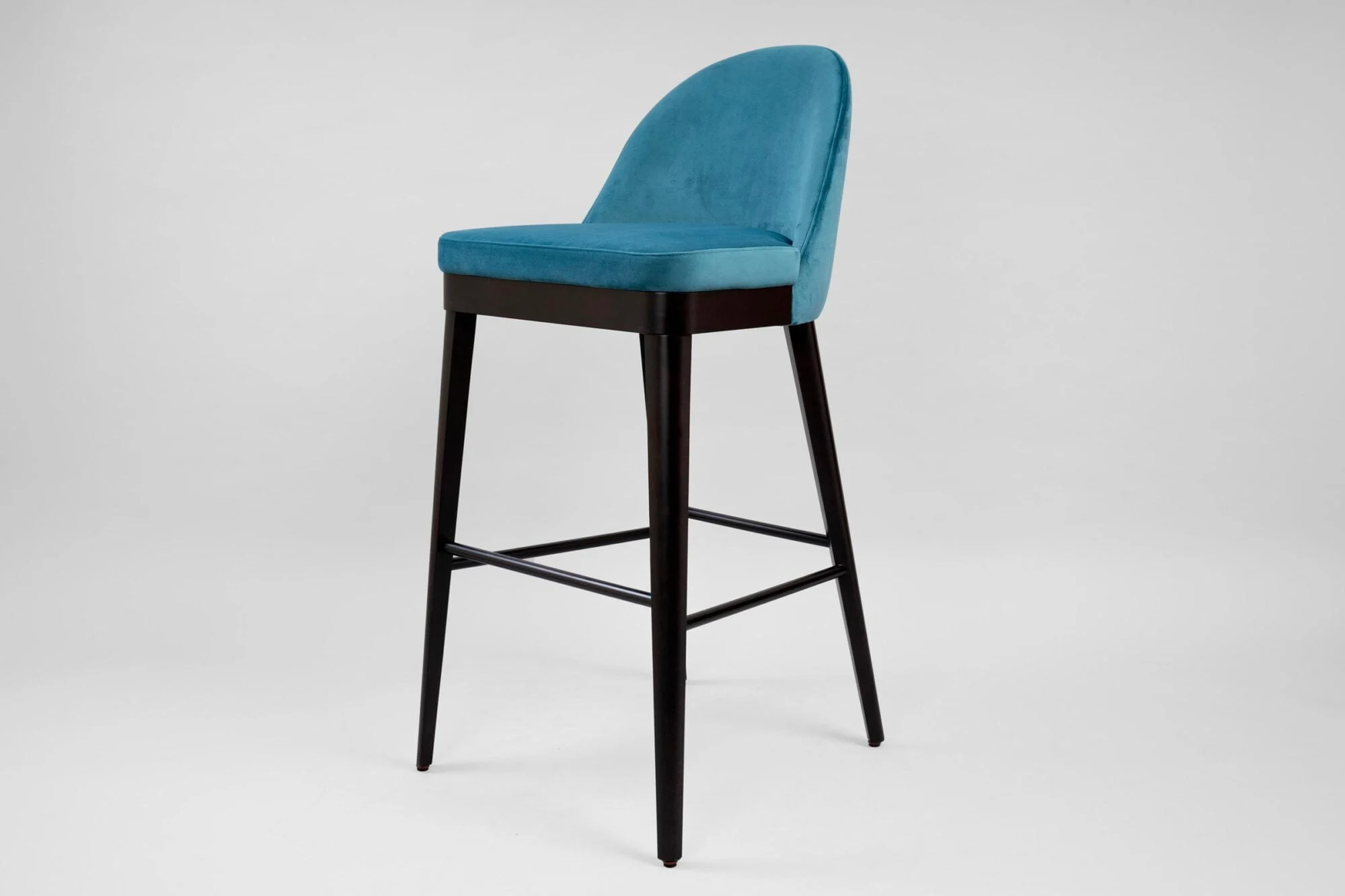 Stools Malmo
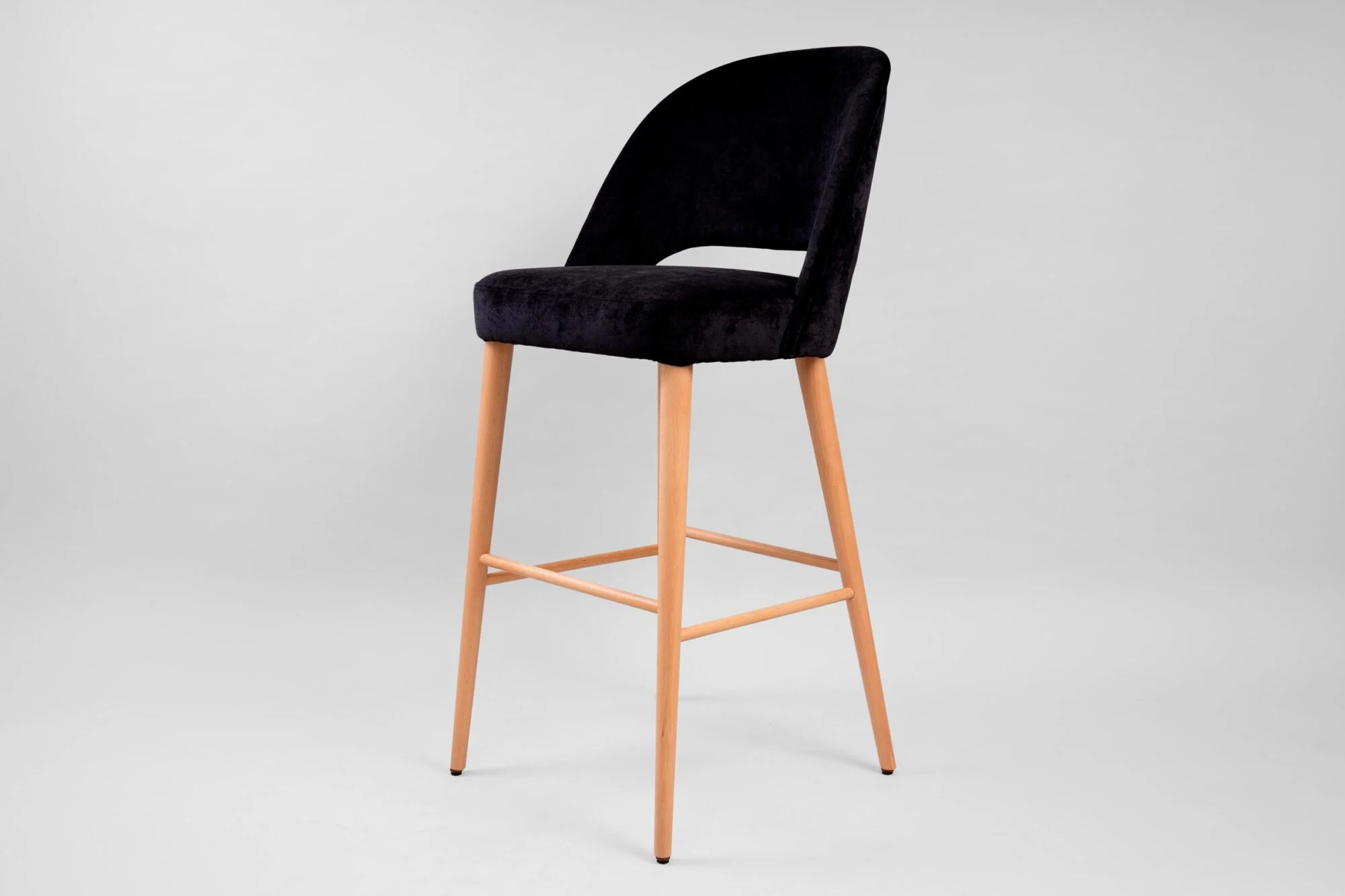 Stools Miami
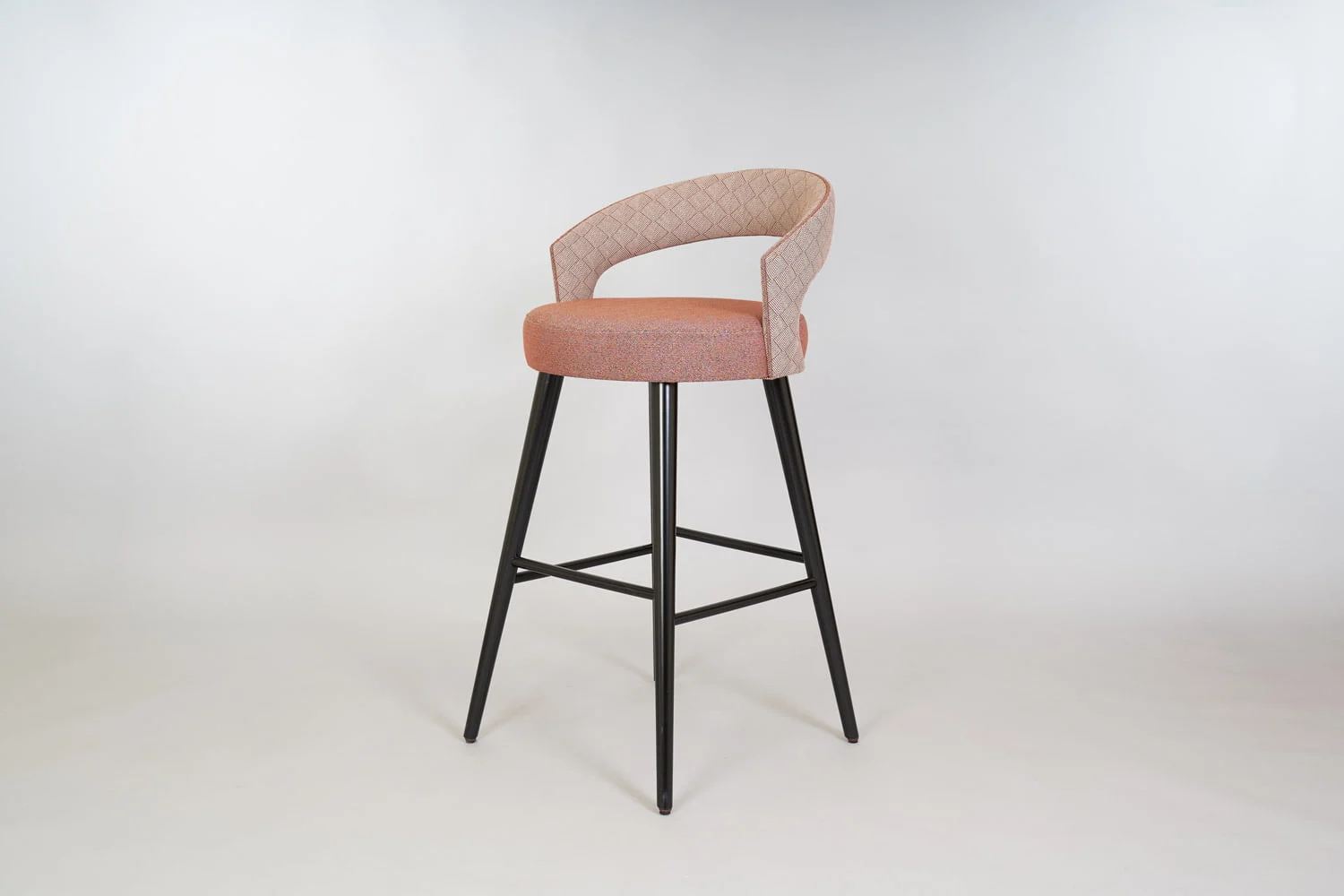 Stools Monfalcone
 Stools Moon
 Stools Paris
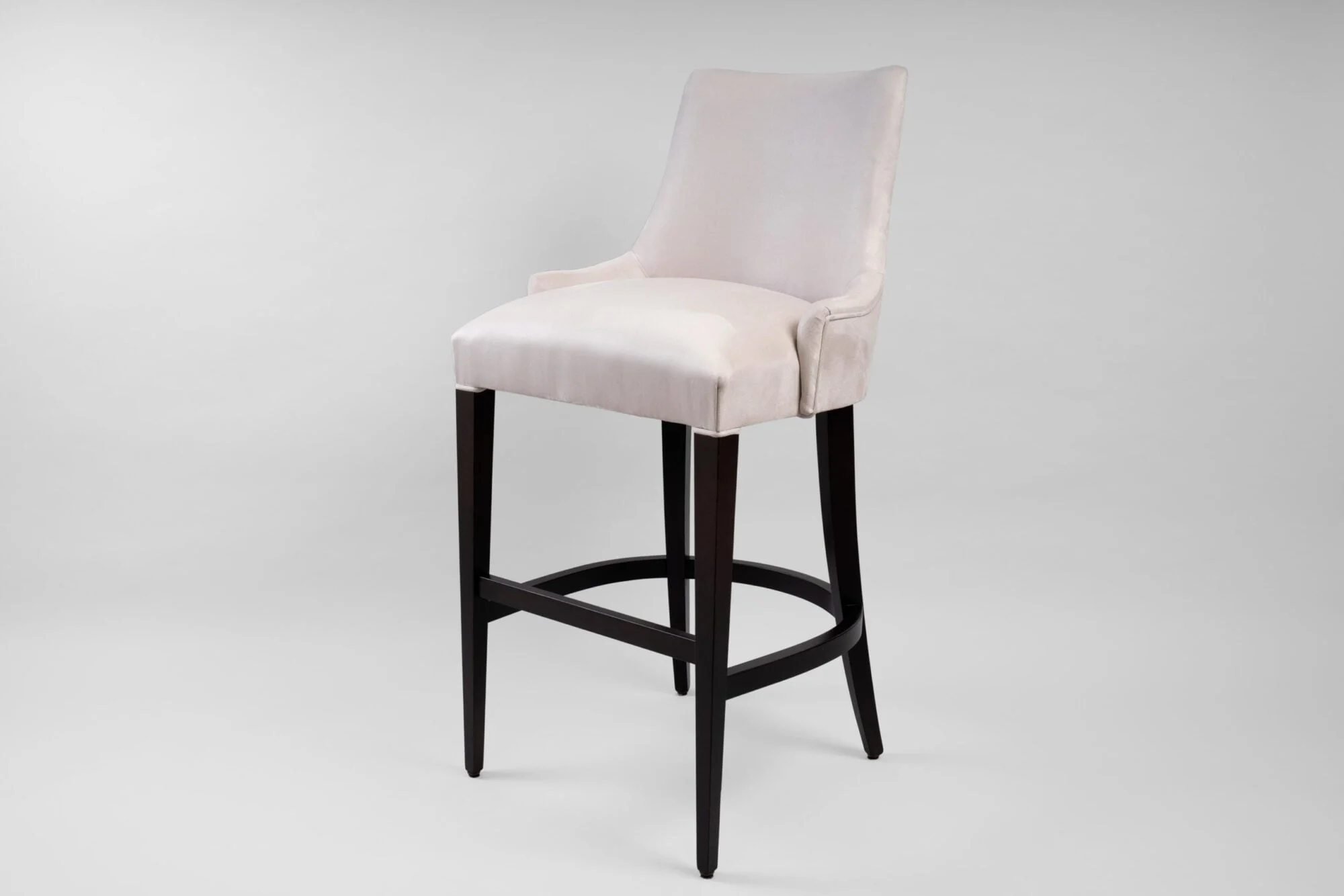 Stools Seattle
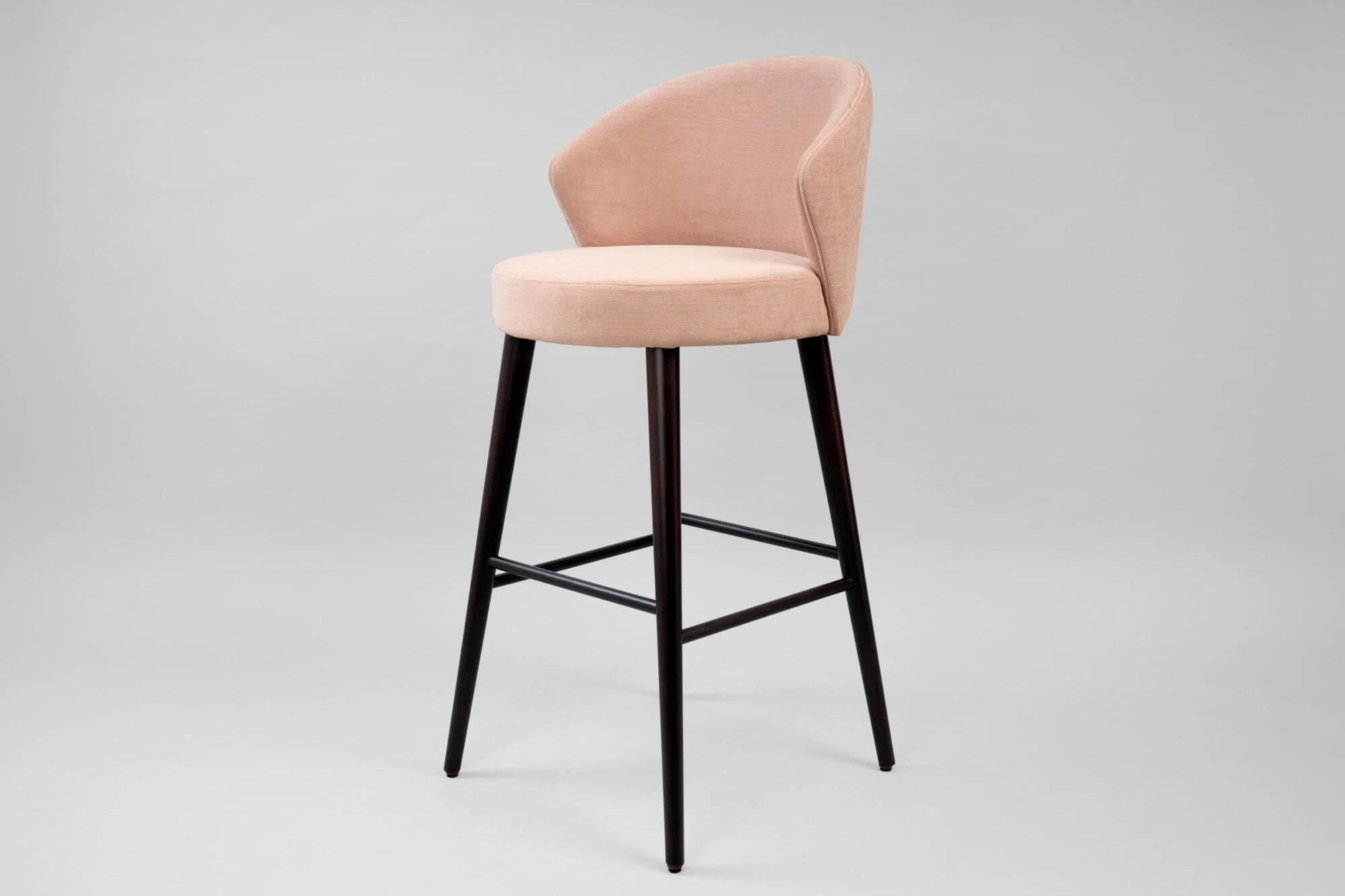 Stools Toronto
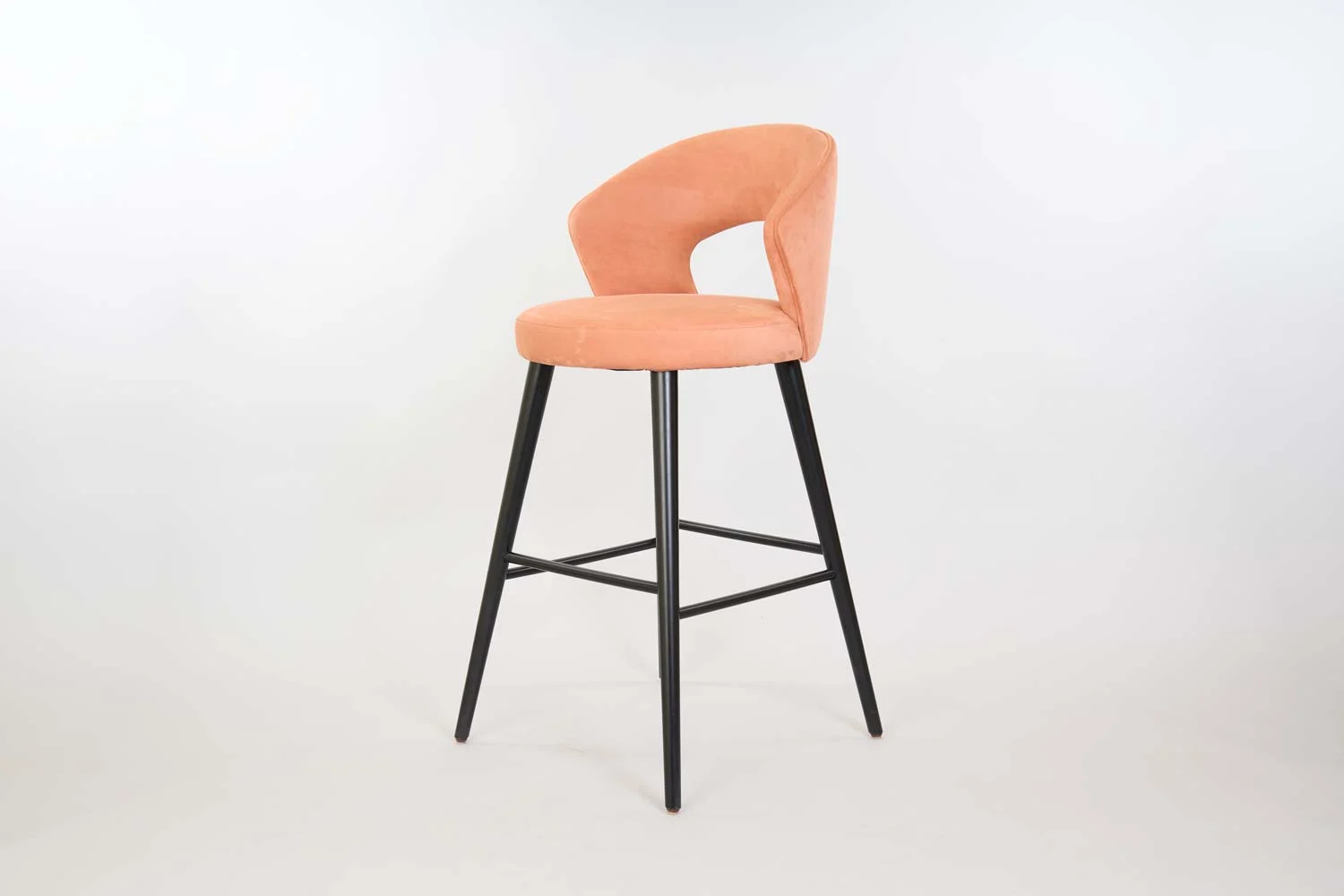 Stools Tucson
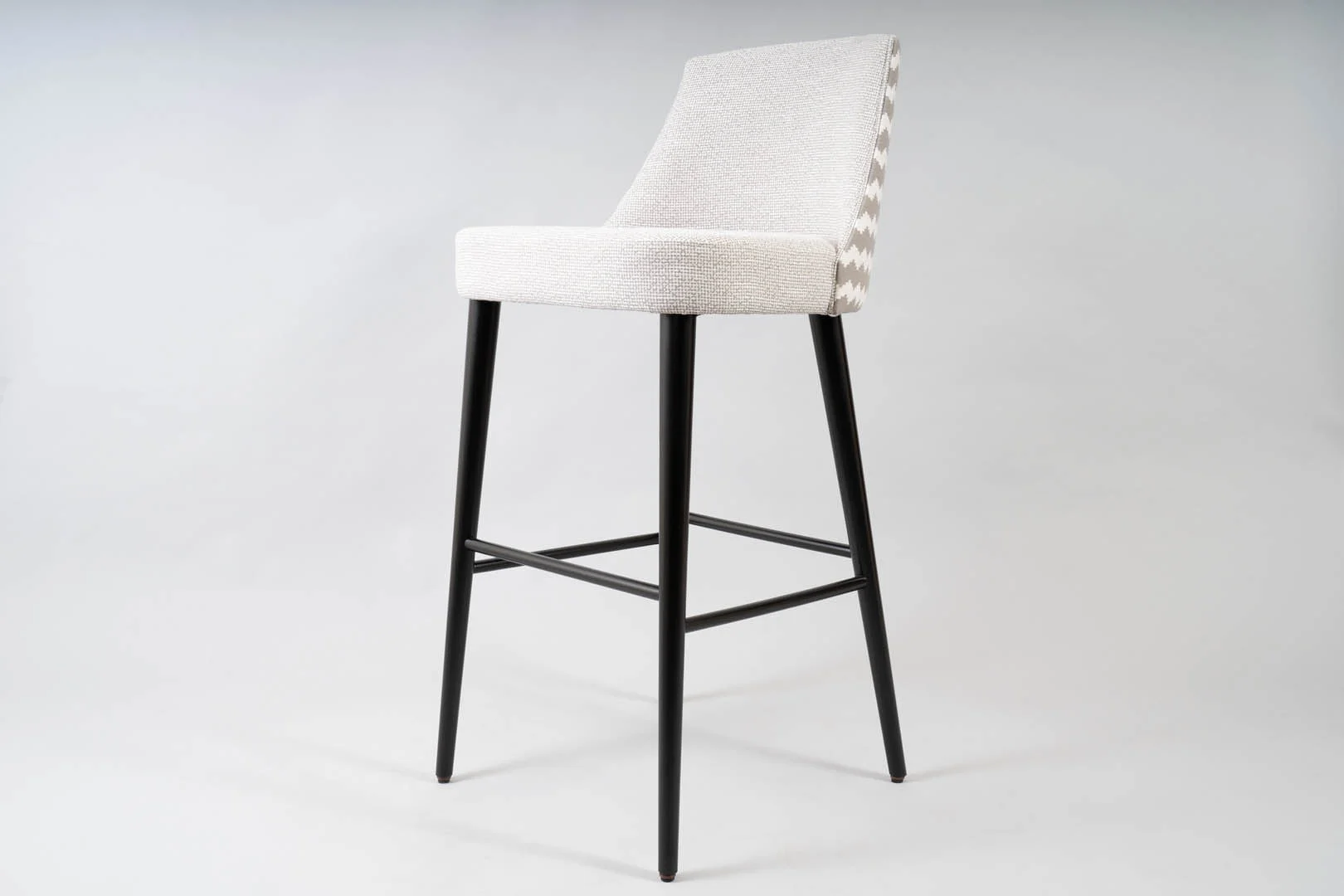 Stools Uppsala
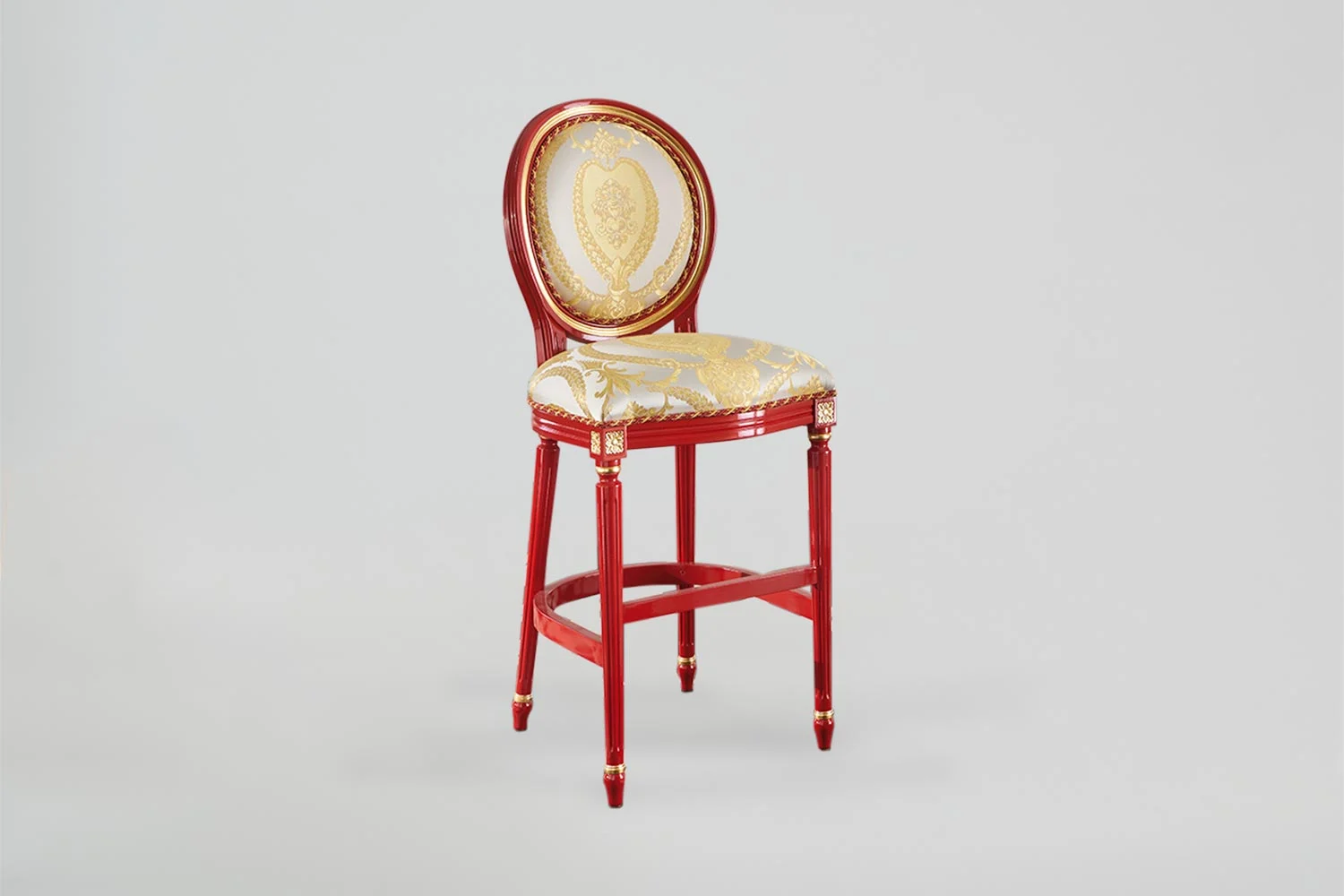 Stools Versailles
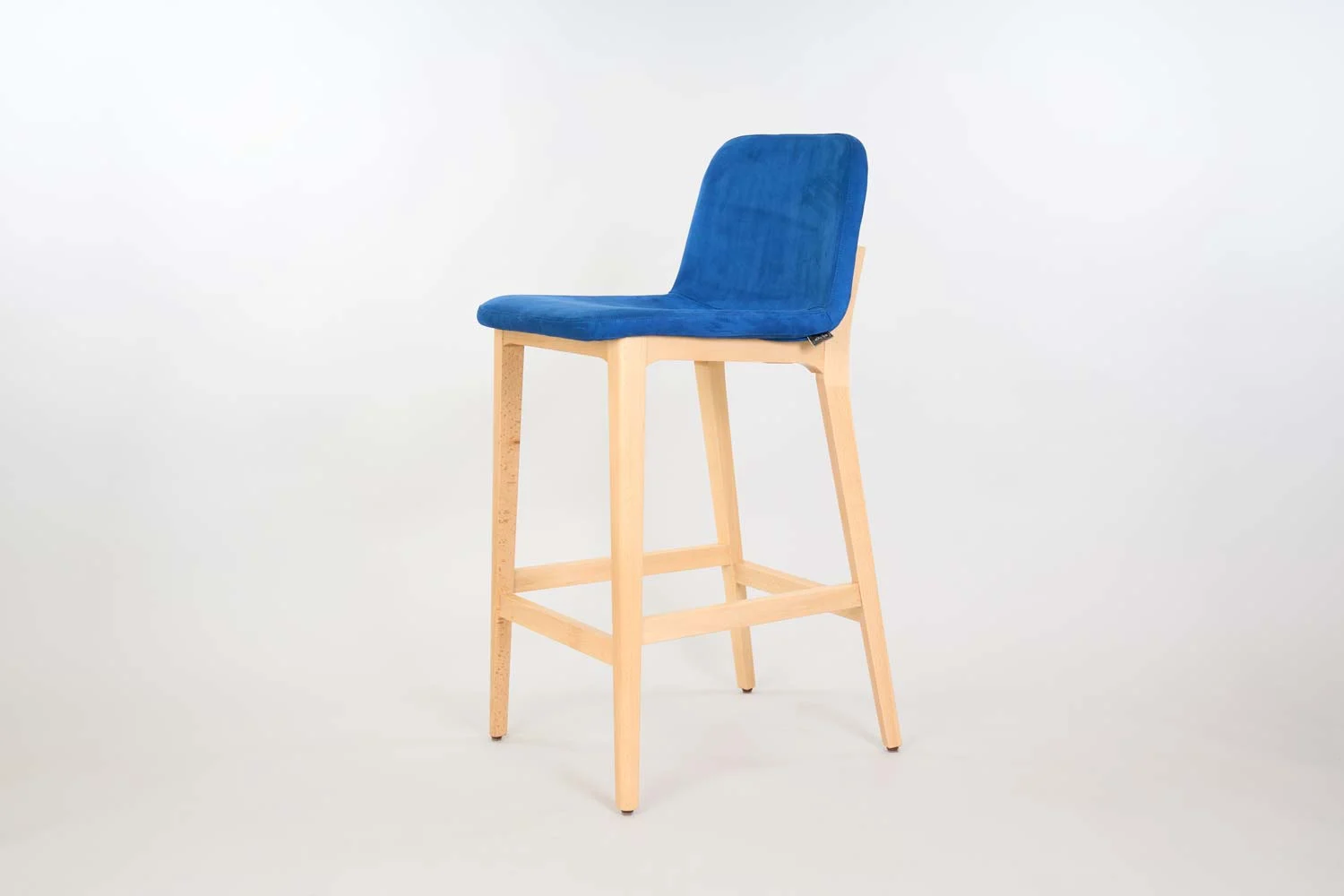 Stools Woodbridge
Nessun prodotto corrisponde ai filtri selezionati.
Maggiori informazioni
Bar stools are elements capable of transforming the perception of a space with their discreet yet well-defined presence. Placed around a counter, an island, or a raised surface, they contribute to creating a precise composition, made up of proportions, distances, and relationships between different surfaces.
In the world of contemporary furniture, the stool is not simply an alternative to the chair. Its height, structure, seat shape, and relationship to the tabletop become integral parts of the design. It's a particularly suitable option for bars, restaurants, bistros, hotels, and hospitality venues, but it also finds its place in domestic settings, especially in kitchens with a peninsula or counter.
Bar stools and counter design
The counter is often the point of greatest interaction within a restaurant. It's where people stop for a coffee, an aperitif, or a conversation; consequently, seating also contributes to how the space is experienced.
Bar stools allow you to create an orderly sequence along the tabletop, complementing its length and enhancing its architectural presence. The arrangement can be regular and minimal or become part of a more dynamic composition, depending on the desired atmosphere.
The choice of seating should therefore be considered in conjunction with the counter, not separately. Shapes, dimensions, and finishes can interact with the countertop and other furnishings, helping to create a cohesive space.
High stools for bars, bistros and restaurants
In restaurant projects, stools occupy a special place. They must fit into spaces subject to frequent use while maintaining an aesthetic presence appropriate to the restaurant's identity.
For this reason, bar stools can take on a wide variety of configurations: essential structures for contemporary settings, more enveloping seats for sophisticated atmospheres, lightweight solutions for bistros and cafes, or more striking models for cocktail bars and restaurants.
The relationship between seat and backrest also profoundly changes the result. A stool without a backrest conveys greater simplicity and visual lightness; a version with a backrest, on the other hand, introduces a more intimate and domestic dimension, approaching the design of a true high chair.
One typology, many interpretations
There's no single way to design a stool. Proportions can vary, as can the relationship between frame and padding, between rigid surfaces and textile coverings.
A thin structure can create more visual space between seats, while a more substantial construction can become a recognizable element within the interior. Similarly, an upholstered seat introduces a material component that can be used to create contrasts or to harmonize with the rest of the furniture.
This variety makes bar stools particularly interesting in projects where every detail contributes to defining the environment.
Materials, coverings and identity of the place
In the hospitality sector, materials and finishes play an important role because they help communicate the project's identity. A textile covering can add color and texture, while a more minimalist structure can highlight the stool's constructive character.
The combination of frame, seat, backrest, and upholstery allows for very different results, even starting with the same type of furniture. Neutral shades can blend naturally into simple spaces; bolder colors can transform the seat into a defining feature.
For this reason, the choice of bar stools can be approached as part of the overall concept of the venue, along with tables, chairs, lighting, coverings and surfaces.
Stools for the kitchen and home spaces
The spread of peninsula and island kitchens has brought the stool into residential settings. In this context, the language has changed, but not its ability to define space.
Bar stools can complement a snack bar, create a small breakfast area, or transform a peninsula into an informal meeting place. Upholstered solutions with backrests are particularly suitable when seeking a softer, more coordinated look with the living area.
Contemporary kitchens tend to be increasingly open to the living area: the stool thus becomes part of the overall decor and must interact with the table, chairs, and other elements present in the room.
Bar stools for contract projects
In the contract sector, seating design requires an even more nuanced approach. A venue may have different needs for different areas: high seating at the bar, chairs at the tables, and armchairs in the lounge areas.
Bar stools can help distinguish these functions without interrupting the visual continuity of the project. The choice of shapes, finishes, and upholstery allows for a connection between the various seating types, maintaining the interior's recognizable identity.
It is precisely this possibility of working on the whole that makes the stool a design element, rather than a simple complement.
BS Chairs bar stools
BS Chairs interprets bar stools as part of a broader design concept, where the seat interacts with the architecture and atmosphere of the space. The various configurations can adapt to residential and contract settings, from bar counters to contemporary kitchens.
Research into shapes, proportions, and upholstery options allows us to develop solutions that can be adapted to a wide variety of projects. The stool can thus play a discreet role or become one of the elements that most define the character of a space.
In a bar, restaurant, hotel, or private kitchen, choosing a stool influences how people interact with the space. A high seat can accompany a quick moment or become the focal point of the space's social interaction: a seemingly simple distinction, yet crucial in interior design.